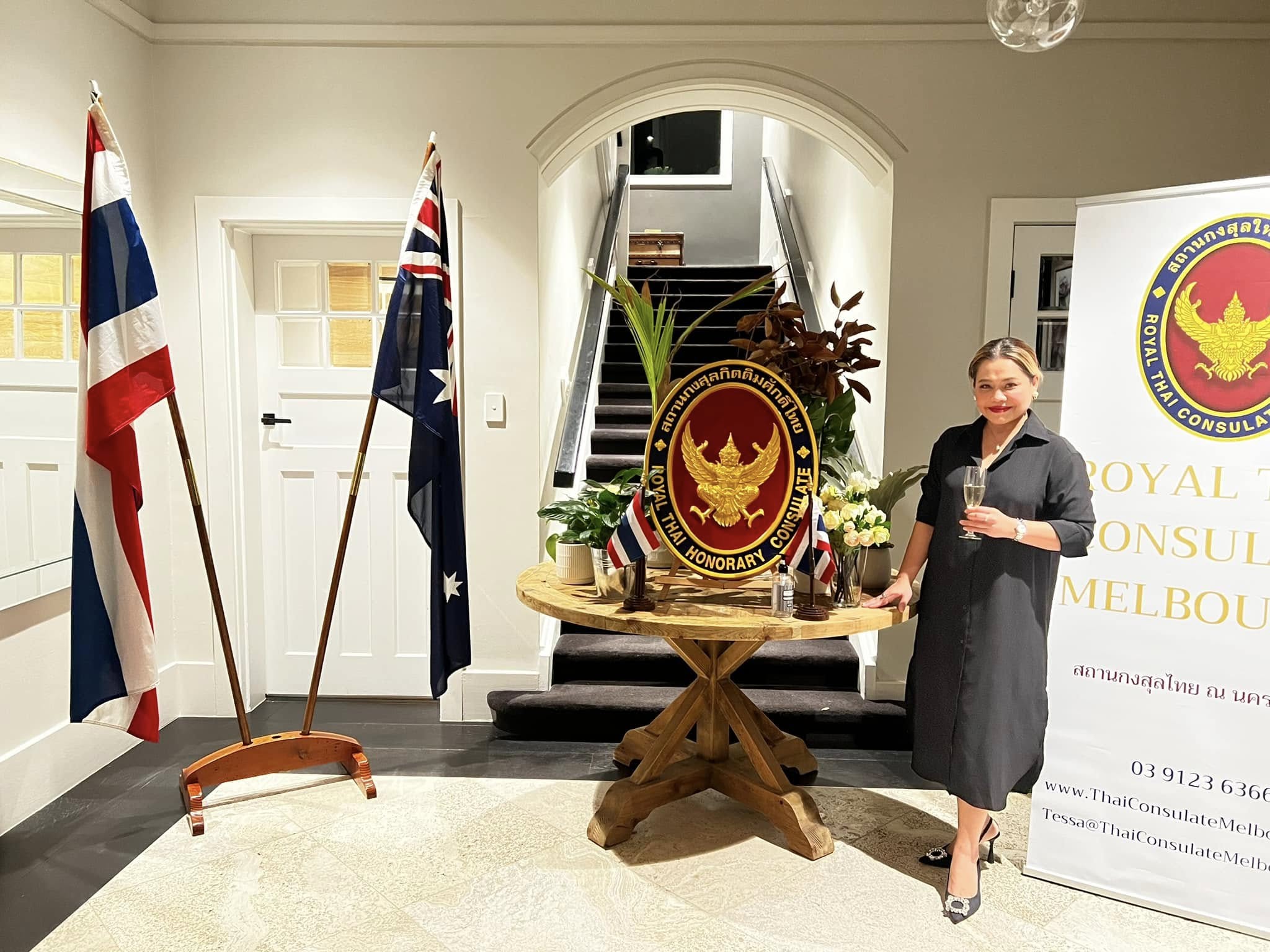
I was invited to attend a dinner at the Royal Thai Consulate in Melbourne, where I had the opportunity to take part in conversations about the experiences and challenges faced by Thai people living in Australia.
The evening reinforced something I have seen repeatedly through my work across Thailand and Australia: living and working in another country involves much more than speaking the language.
Communication is shaped by culture
People can understand the same words and still interpret the situation differently. Cultural expectations influence how directly we speak, how we show respect, how we respond to authority, how comfortable we feel asking questions and how we build trust.
For someone adjusting to life in Australia, a communication difficulty may not look like a language problem at first. It can appear as uncertainty, hesitation, misunderstanding, discomfort or simply not knowing what is expected in a particular situation.
The challenge is often context, not vocabulary
This matters in workplaces, education, housing, professional services and everyday interactions. A person may have good English but still find it difficult to communicate with confidence when the cultural rules of the situation are unfamiliar.
Cross-cultural communication begins with listening to people’s real experiences.
That is why I see business communication and cross-cultural communication as closely connected. Effective communication is not only about choosing the correct words. It is also about understanding who you are speaking with, how they may interpret your message and what kind of relationship or outcome you are trying to create.
Why this matters to Talk to Sipim
Talk to Sipim is built around practical communication in real professional situations. My interest is not simply in English language ability, but in helping people communicate appropriately, confidently and effectively across cultures.
Conversations like those at the Royal Thai Consulate are important because they keep this work grounded in real life. They remind us that behind every cross-cultural challenge is a person trying to understand, adapt, participate and be understood.
Better communication starts with understanding the person, the context and the culture behind the conversation.
← Back to Activities & Events